Publish date: 12th May 2026
East Africa offers year-round safari experiences, but timing shapes how that experience unfolds. Wildlife doesn’t disappear with the seasons, it shifts. Knowing when and where to go makes the difference between a good safari and a well-timed one.
For most travelers researching an East Africa safari, the first question is usually about the Great Migration. From July to October, the herds move through the Maasai Mara in Kenya and the northern Serengeti in Tanzania, creating the well-known river crossings. This is peak season. Wildlife activity is high, but so is demand. Lodges fill up quickly and popular sightings tend to attract more vehicles.
Between January and March, the southern Serengeti becomes the focus. This is calving season, thousands of wildebeest are born within a short window. Predators follow closely, making this one of the most active periods for wildlife behavior. It’s a different kind of spectacle. Less dramatic than river crossings, but often more consistent.
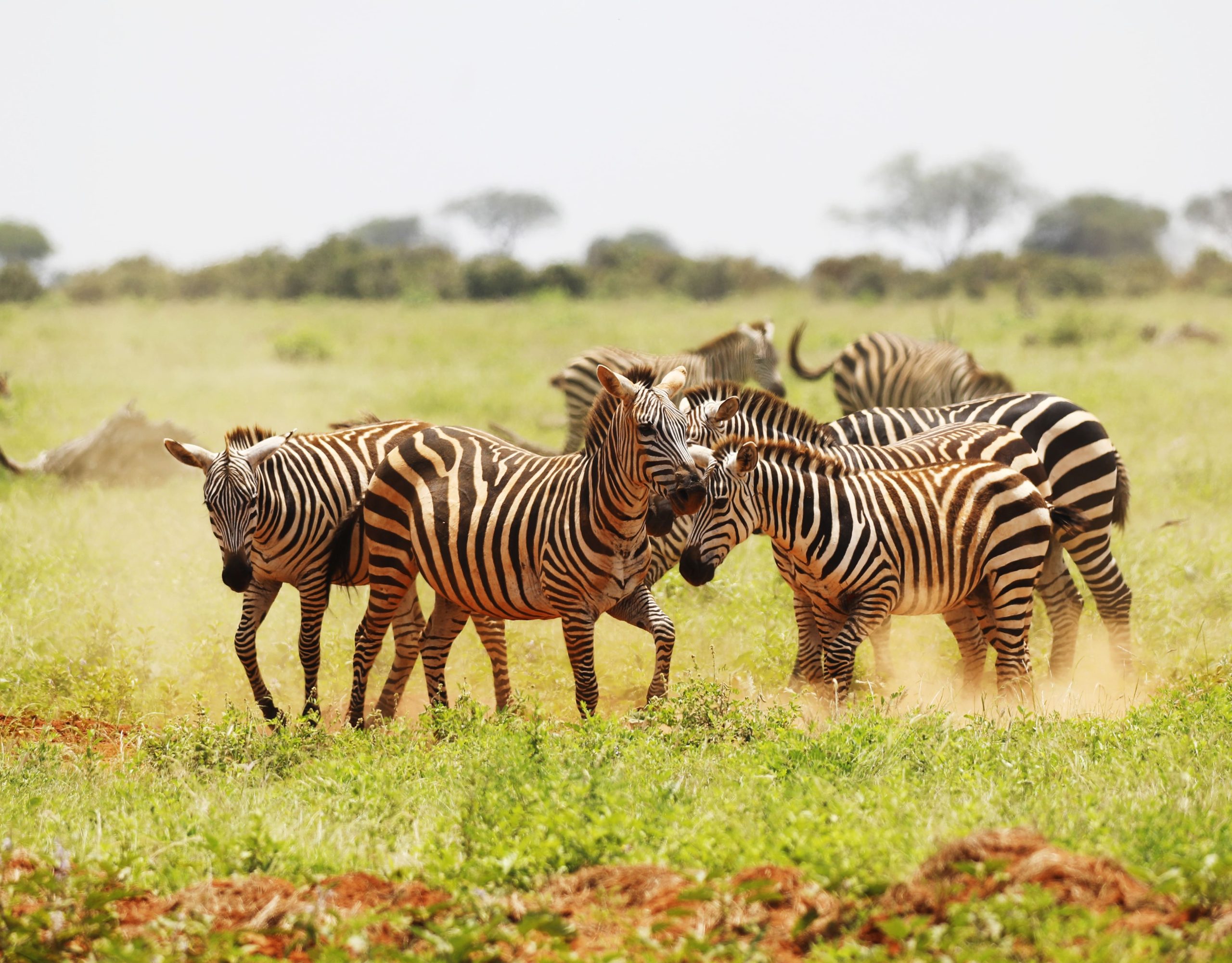
From November to May, the region enters what’s commonly called the green season. Landscapes shift from dry plains to lush, open grasslands. Rates are lower and there are fewer tourists across both Kenya safari and Tanzania safari circuits. Wildlife doesn’t disappear, it spreads out slightly, which means sightings require a bit more patience. Birdlife, however, is at its best during this period, particularly for photographers.
June sits quietly between seasons and is often overlooked. It offers a balance; good weather, manageable crowds and strong game viewing as wildlife begins to concentrate ahead of the migration push north. For travelers who want a mix of value and performance, it’s one of the more practical months to consider.
One of the more common assumptions is that there’s a single “best time” for an African safari. There isn’t. The right time depends on what you prioritize. If it’s migration crossings, you’re looking at peak season. If it’s fewer vehicles and better lodge availability, the shoulder or green seasons tend to work better.
Weather also plays a role, but not always in the way people expect. Rainfall in East Africa rarely means all-day storms. Showers are often short and localized, followed by clear skies. In many cases, the landscape benefits more than it disrupts.
What matters most is alignment. Choosing the right destination at the right time, rather than chasing a single event across the region.
A well-planned safari doesn’t try to control nature. It works with it.