Publish date: 6th August 2026
The choice between private conservancies and national parks shapes the overall East Africa safari experience more than most travelers expect. It’s not just about where you go, it’s about how you experience the wildlife once you’re there.
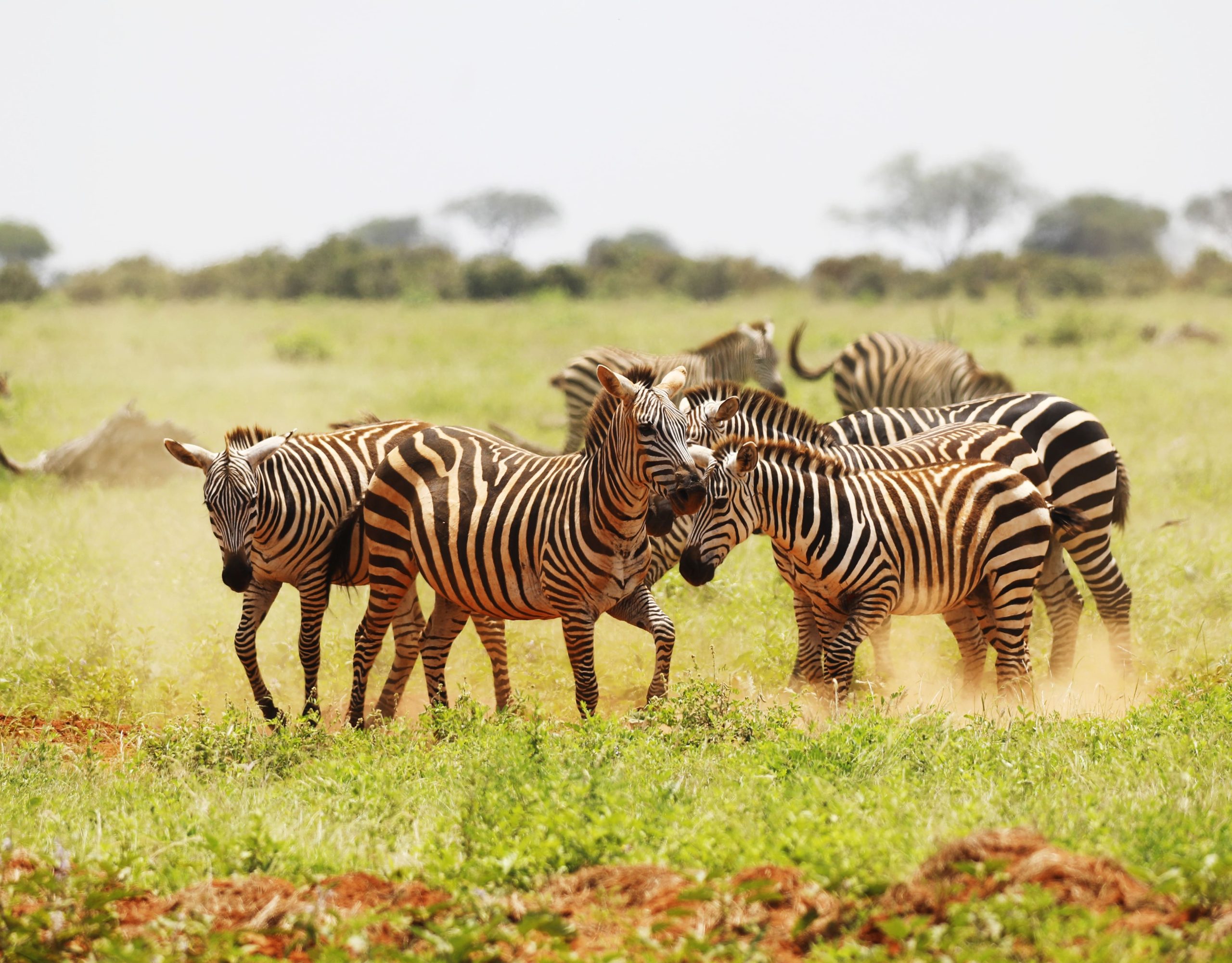
National parks such as the Maasai Mara in Kenya and the Serengeti in Tanzania form the backbone of most African safari itineraries. These are large, open ecosystems with high wildlife density and strong year-round sightings. If you’re picturing classic savannah landscapes, large herds and predator action, this is where it happens.
They are also highly accessible. Well-established routes, a wide range of accommodation options and consistent wildlife make them ideal for first-time safaris. However, during peak seasons, particularly the Great Migration, they can become busy. High-activity sightings, such as river crossings or predator hunts, often attract multiple vehicles.
Private conservancies operate differently. Located around major parks like the Maasai Mara, they offer a more controlled and lower-density environment. Access is limited to guests staying within the conservancy, which significantly reduces the number of vehicles at any given sighting.
This directly changes the experience. Instead of rotating between vehicles at a lion sighting, you may spend extended time observing behavior without interruption. The overall pace is quieter, more deliberate and less crowded.
There are also important differences in what you can do. National parks typically restrict off-road driving, night game drives and walking safaris. These rules are designed to protect wildlife but also limit flexibility.
Private conservancies allow more freedom. Off-road driving means guides can position vehicles better for sightings. Night drives open up a completely different set of wildlife, including nocturnal species that are rarely seen during the day. Walking safaris add another layer, focusing on tracks, terrain and smaller details often missed from a vehicle.
The pace reflects this difference. Conservancies tend to feel less rushed, with more time spent observing and fewer long drives between sightings. National parks, especially during migration season, can feel more fast-moving as guides cover larger distances.
Cost is another factor. Conservancies are generally more expensive due to exclusivity and lower guest numbers. However, the price difference often reflects the level of access, flexibility and overall experience rather than just accommodation.
That said, this isn’t a question of one being better than the other. Each serves a different purpose within a well-designed safari.
National parks provide scale, density and iconic landscapes. Conservancies offer space, flexibility and a more private experience. Many of the best itineraries combine both; using parks for high-impact wildlife viewing and conservancies for depth and quieter moments.
The right choice depends on what you value more: variety, exclusivity, or a balance of both.