Publish date: 8th July 2026
Uganda offers one of the most diverse safari experiences in East Africa, combining classic wildlife viewing with primate encounters and varied landscapes. For travelers looking beyond a typical Uganda safari, it delivers something more layered, less about ticking boxes, more about experiencing different ecosystems in one trip.
The country is best known for gorilla trekking, particularly in Bwindi Impenetrable Forest. This is where most visitors come face-to-face with mountain gorillas in their natural habitat. Permits are required and should be secured in advance, but Uganda often provides better availability and slightly lower costs compared to neighboring destinations. The trek itself varies in difficulty, but the hour spent observing a gorilla family is usually the defining moment of the trip.
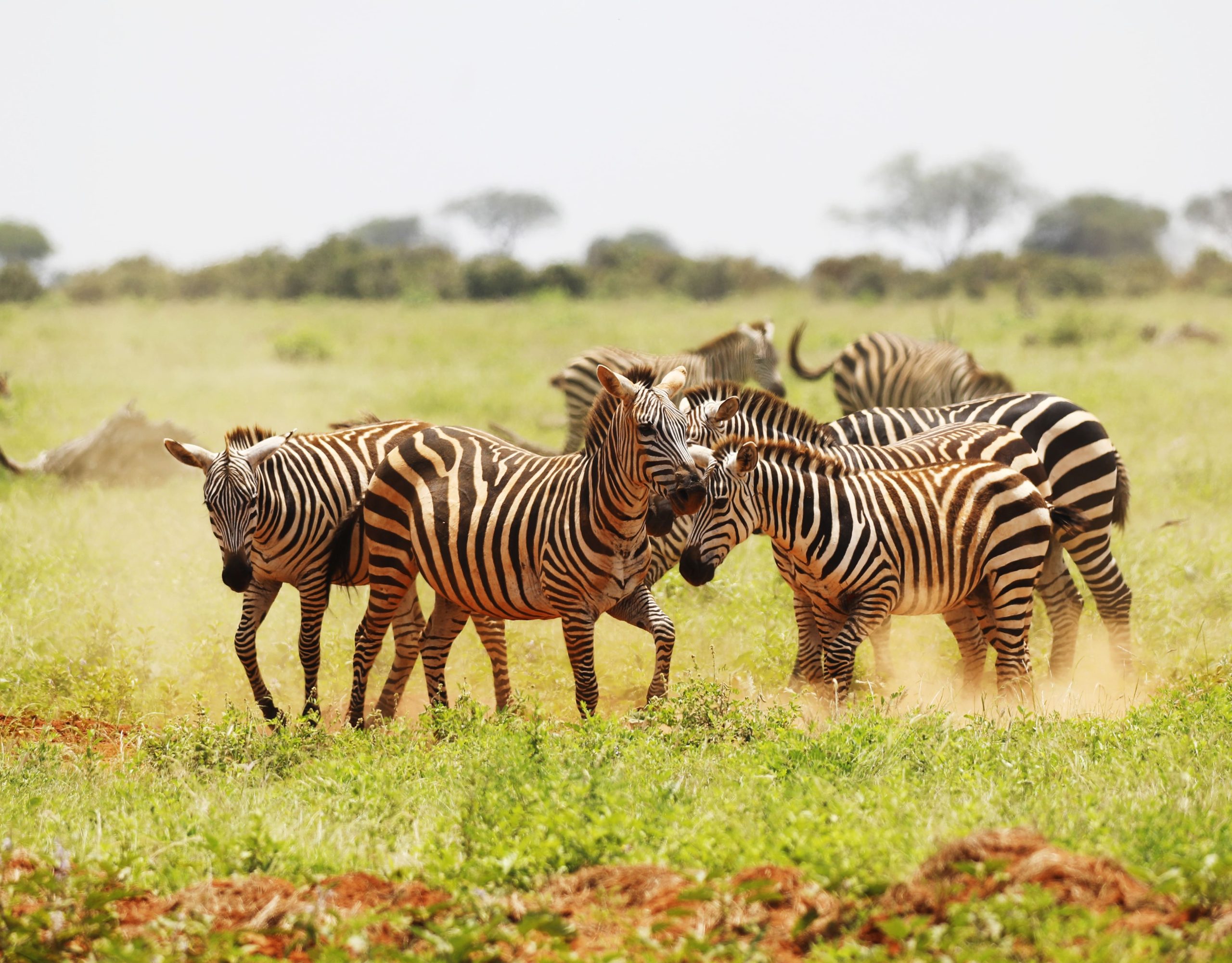
Beyond gorillas, Uganda’s strength lies in its range. Queen Elizabeth National Park offers a mix of savannah and water-based wildlife viewing, making it one of the most versatile stops on a Uganda wildlife safari. The Ishasha sector is known for its tree-climbing lions, something not commonly seen elsewhere in Africa. Game drives here tend to feel less crowded, with more space to observe rather than move quickly between sightings.
Murchison Falls National Park adds another dimension. The park combines traditional game drives with boat safaris along the Nile, leading to the base of the falls where the river narrows dramatically before crashing through a gorge. It’s a different kind of safari setting, less open plains, more contrast between water and landscape.
Kibale Forest is another key stop, particularly for chimpanzee tracking. Compared to gorilla trekking, chimp encounters are more active and unpredictable. The forest itself is dense and humid, but it offers a completely different primate experience that complements the rest of the itinerary.
One of the defining characteristics of a Uganda safari tour is that it feels less commercialized than Kenya or Tanzania. Parks are quieter, and sightings often happen without multiple vehicles around. That said, the trade-off is logistics. Travel times between destinations are longer and the infrastructure is less streamlined. It requires a bit more flexibility, but that’s part of what gives the experience its character.
Uganda works best for travelers who want variety. Instead of focusing on a single highlight, it combines primates, savannah wildlife, forests, and waterways into one journey. It’s particularly appealing for those who want to go beyond the typical East Africa circuit and experience something slightly less predictable.
The pace tends to be slower, but that’s not a drawback—it’s what allows the experience to unfold properly.