Publish date: 25thJune 2026
Tanzania offers one of the most expansive safari experiences in Africa, with larger national parks, varied ecosystems and a sense of scale that’s hard to replicate elsewhere. For many travelers planning an East Africa safari, Tanzania stands out for its diversity and relatively uncrowded landscapes.
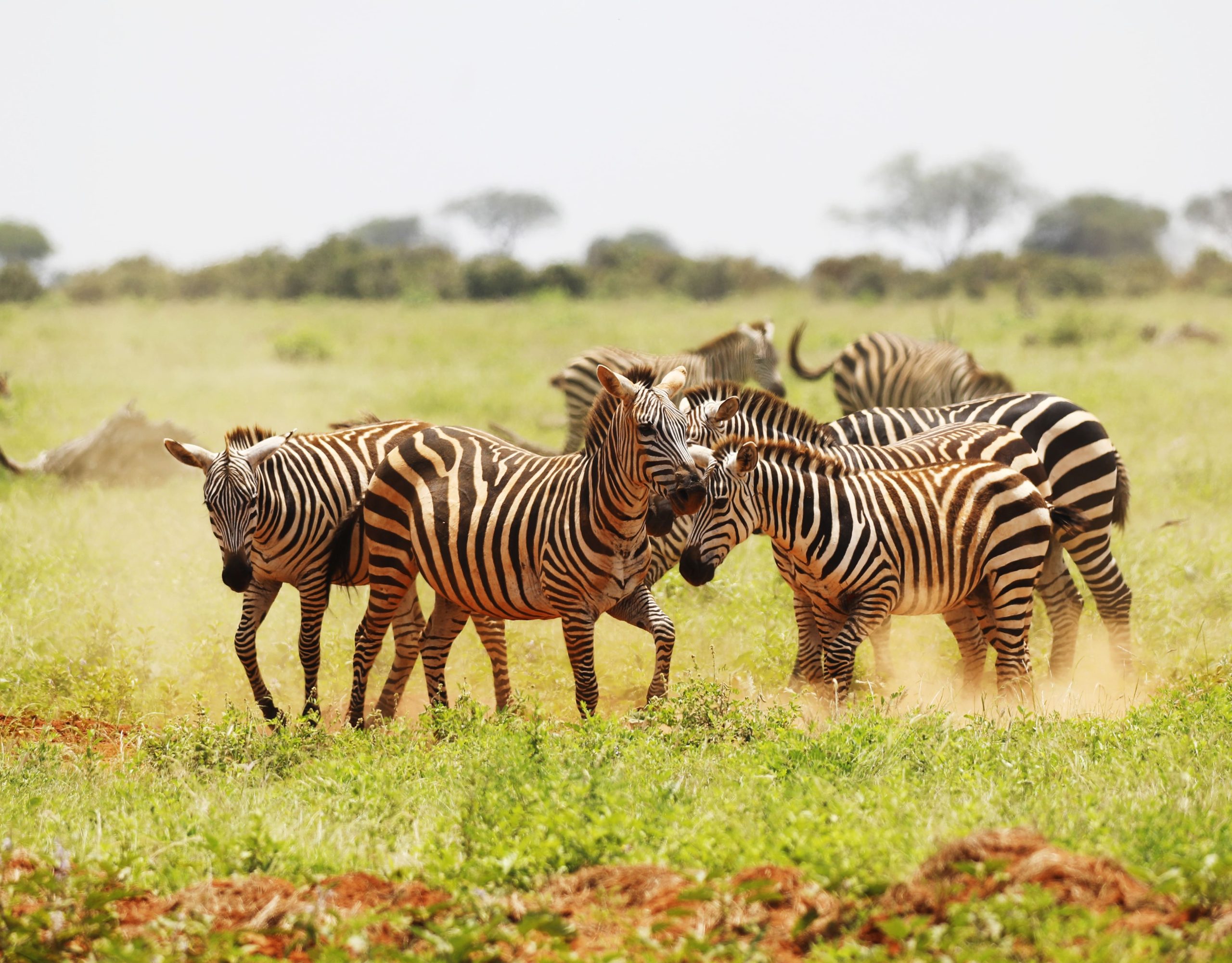
At the center of it all is Serengeti National Park, one of the most recognized safari destinations in the world. Known for its vast plains and year-round wildlife, the Serengeti is also home to the Great Migration, where millions of wildebeest and zebras move across different regions in search of fresh grazing. Unlike the more compact Maasai Mara, the Serengeti requires time and planning to experience properly. The size alone means wildlife activity shifts depending on where you are.
The Ngorongoro Conservation Area offers a completely different setting. The Ngorongoro Crater is a self-contained ecosystem with a high concentration of wildlife, including lions, elephants and rhinos. Because of its geography, sightings here are often consistent within a shorter time frame, making it a strong addition to most Tanzania safari itineraries.
Further south, Tarangire National Park is often overlooked but delivers one of the best elephant viewing experiences in the region. Large herds gather around the Tarangire River, particularly during the dry season. The park also sees fewer vehicles, which changes the pace of game drives noticeably. Nearby, Lake Manyara National Park adds variety with forested landscapes, birdlife, and occasional tree-climbing lions.
Timing plays a major role in shaping your safari. The movement of the migration is not fixed, it shifts throughout the year. Between January and March, the southern Serengeti is active during calving season. From June to October, the herds move north toward the Mara region. Each phase offers a different experience, which is why aligning your route with the season matters more than simply picking travel dates.
One of the advantages of a Tanzania safari is space. Compared to Kenya, many areas feel less concentrated, especially in regions further from central hubs. This allows for longer, uninterrupted sightings and a more relaxed pace overall.
Travelers with more time often combine multiple parks to experience the full range of landscapes, from open plains to crater ecosystems and riverine environments. The result is a safari that feels less repetitive and more complete.
A well-planned safari in Tanzania isn’t about covering every park. It’s about choosing the right locations at the right time and allowing enough space to experience them properly.