Publish date : 28th April 2026
Planning an East Africa safari isn’t complicated, but the decisions you make early on will shape the entire experience. The difference between an average trip and a well-designed one usually comes down to timing, location and how everything is put together.
The first step is choosing where to go. A Kenya safari or Tanzania safari is often the starting point for most travelers. Both offer strong wildlife density, well-established safari routes and access to the Great Migration. Kenya tends to be more compact and easier to navigate, while Tanzania offers larger parks and more variation in landscapes.
Uganda and Rwanda are different. They’re better suited for gorilla trekking and more specialized trips rather than traditional game drives. If it’s your first safari, Kenya or Tanzania is usually the most practical place to begin.
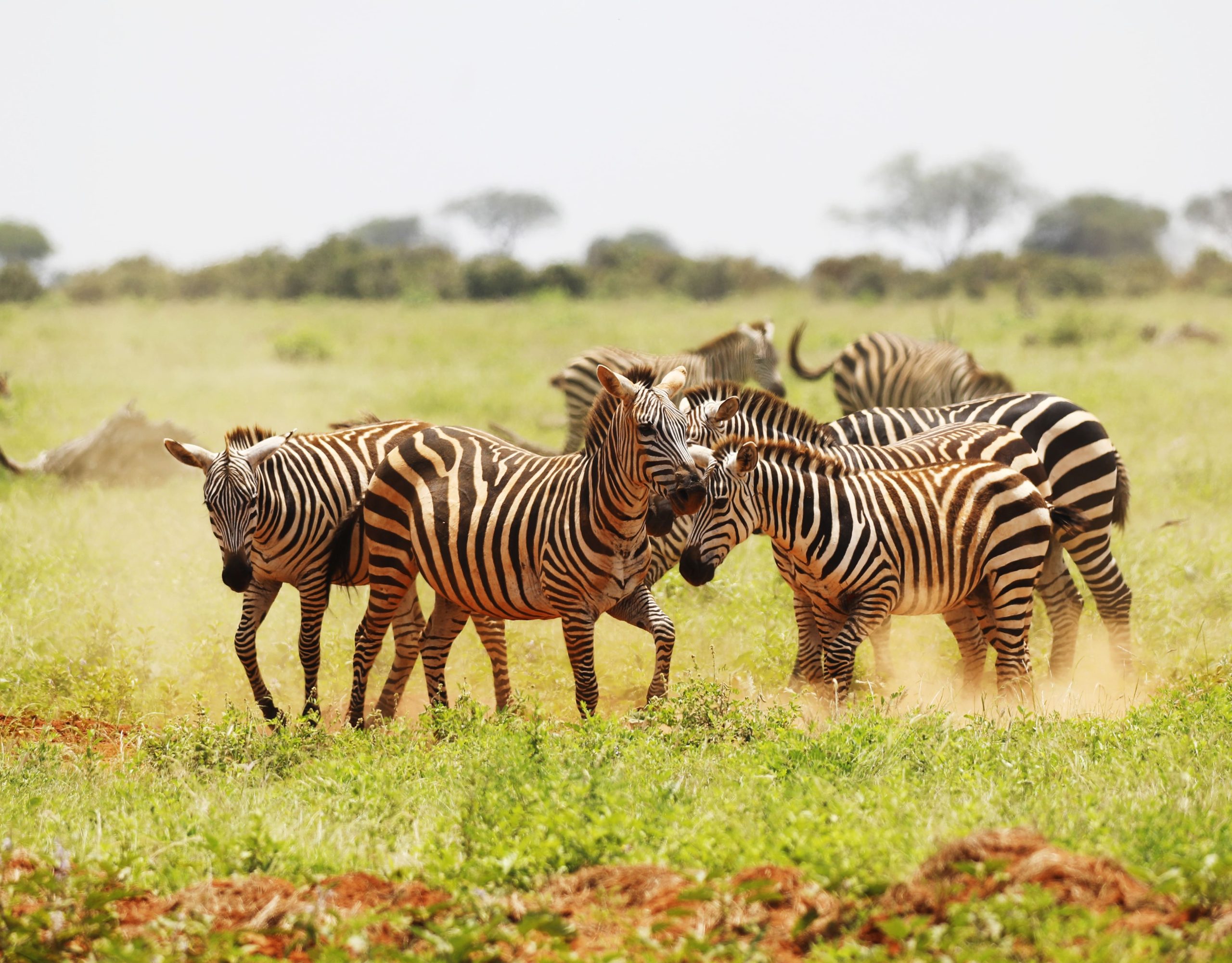
Timing is the next piece. The best time for safari in East Africa depends on what you want to experience. July to October is known for the Great Migration, particularly in the Maasai Mara and northern Serengeti. It’s also peak season, which means higher prices and more vehicles.
The green season, from November to March, offers a quieter experience. Landscapes are more vibrant, birdlife is strong, and rates are lower. Wildlife is still present, it’s just more spread out. There isn’t a single “perfect” time to travel. It comes down to whether you prioritize migration, fewer crowds, or overall value.
Duration matters more than most people expect. A 5 – 7 day safari works well for one or two locations without feeling rushed. Shorter trips often spend too much time in transit and not enough time actually on game drives. If you’re covering larger areas, especially in Tanzania, adding extra days makes a noticeable difference.
Accommodation should match how you want to experience the trip. Mid-range lodges offer comfort and reliable access to wildlife, while luxury camps focus more on privacy, location and service. The difference isn’t just in the room, it’s in how the safari feels overall. A smaller camp in the right location often outperforms a larger lodge in a busy area.
A typical safari day starts early. Game drives usually begin at sunrise and resume in the late afternoon when wildlife is most active. Midday is quieter and usually reserved for rest. It’s a rhythm that works, even if it takes a day or two to get used to early starts.
Logistics are the final piece. Flights, transfers, park fees and permits all need to align properly. This is where safari planning becomes less about booking and more about coordination. Many travelers prefer working with a specialist to ensure everything flows without gaps or delays.
A well-planned safari isn’t about covering as much ground as possible. It’s about being in the right place, at the right time, with the right setup.