Publish date: 2nd July 2026
Rwanda is best known for gorilla trekking, but a well-planned Rwanda safari goes far beyond a single experience. It’s one of the few destinations in Africa where you can move from dense rainforest to open savannah within a matter of hours, without long transfers or complex logistics.
Volcanoes National Park is the centerpiece of most Rwanda safari tours. This is where travelers come to see mountain gorillas in their natural habitat. Gorilla trekking requires a permit and typically involves a guided hike through forest terrain. The duration varies, from under an hour to several, depending on where the gorilla families are located that day.
The encounter itself is limited to one hour. That restriction isn’t a drawback; it keeps the experience focused and controlled. You’re not observing from a distance, you’re sitting a few meters away, watching behavior that feels both familiar and completely wild. It’s one of the few wildlife experiences that stays with people long after the trip ends.
Beyond gorillas, Rwanda offers more range than most expect. Nyungwe Forest National Park is one of the oldest rainforests in Africa and a strong option for chimpanzee tracking. It also features a canopy walkway that gives a different perspective of the forest, less about sightings, more about immersion.
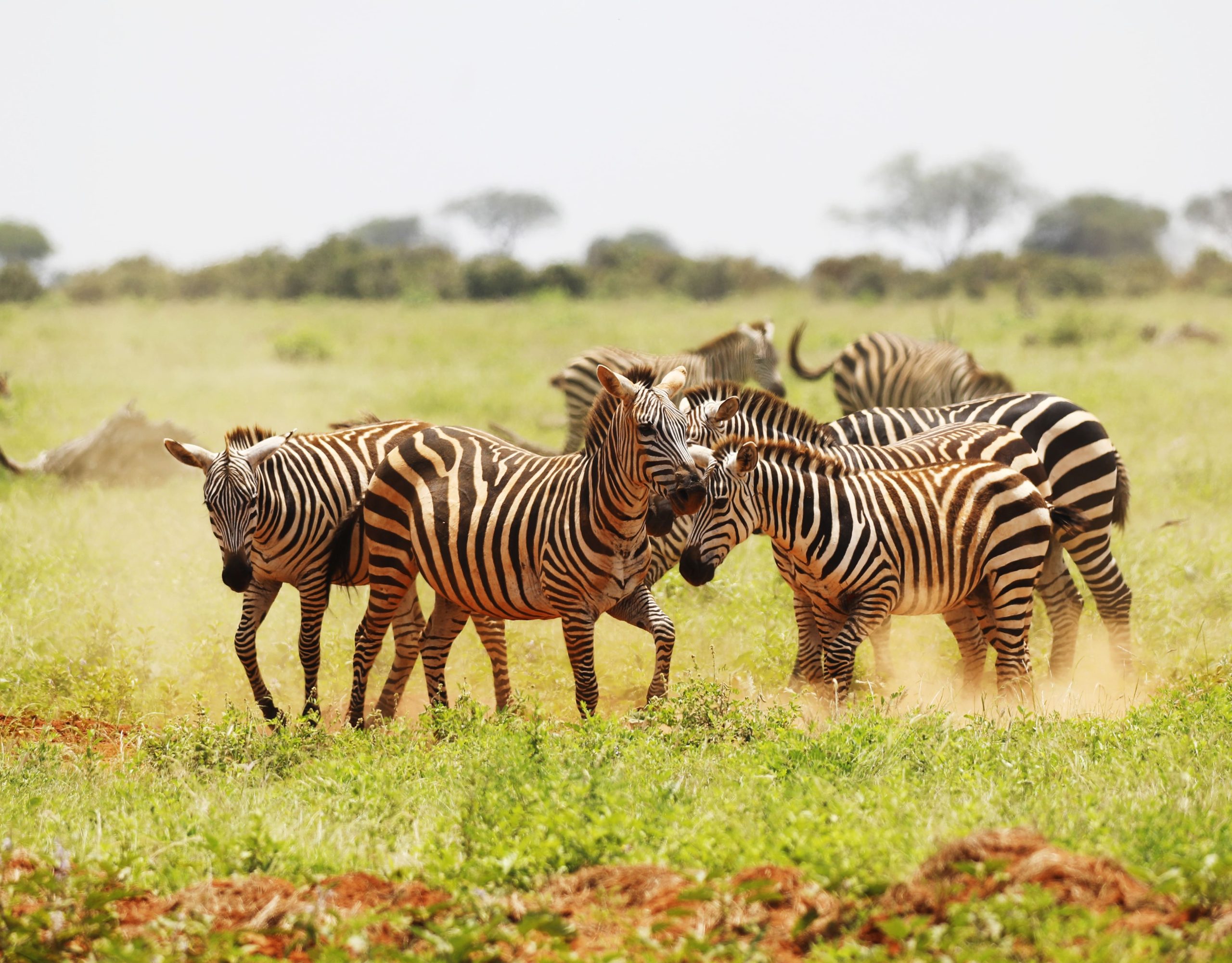
Akagera National Park provides a contrast. Located in the east, it offers a more traditional African safari experience, with game drives, boat safaris and species such as elephants, giraffes and lions. Wildlife density here is lower than in places like the Serengeti or Maasai Mara, but the trade-off is space. Fewer vehicles, less pressure and a quieter overall experience.
One of Rwanda’s advantages is how easy it is to move between these regions. Distances are shorter, roads are well maintained and travel times are manageable. This makes it possible to build a compact itinerary without sacrificing variety. For travelers with limited time, that matters.
Timing is straightforward. The dry seasons, from June to September and December to February, are generally the best for gorilla trekking, as trails are easier to navigate. That said, permits are limited throughout the year and tend to sell out well in advance. Planning early is less about securing a good deal and more about securing availability.
Rwanda works well as a standalone destination, particularly for shorter, high-impact trips. It also combines easily with a Kenya safari or Tanzania safari if you’re looking to add classic game viewing to the experience.
It’s not the widest safari destination but it’s one of the most focused.