


Publish date: 18th June 2026
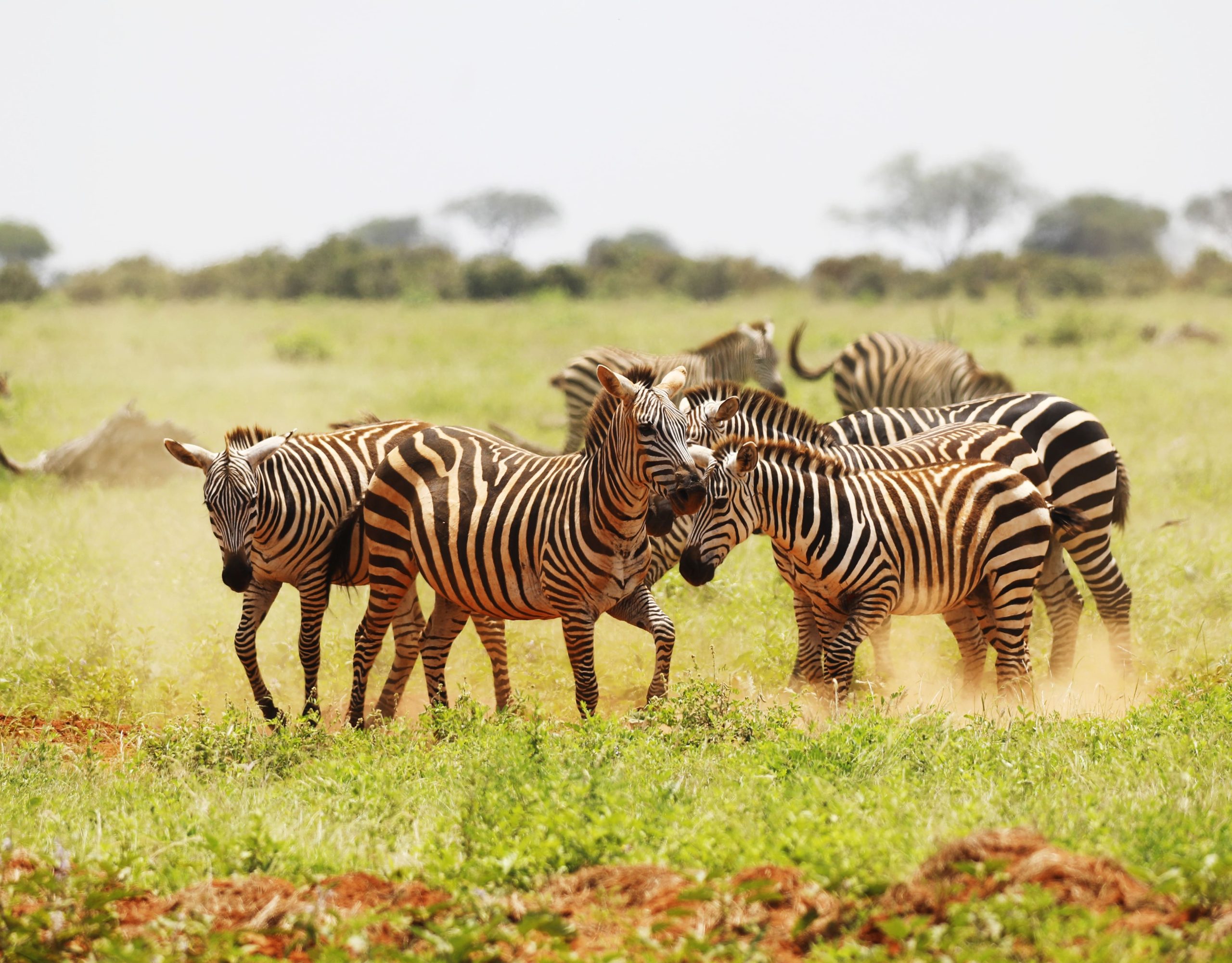
Kenya is often the starting point for many travelers planning an African safari, and it’s not by accident. A Kenya safari offers one of the most balanced introductions to East Africa, combining accessibility, strong wildlife density and varied landscapes within relatively short travel distances.
The Maasai Mara remains the anchor of most itineraries. Known globally for the Great Migration and year-round predator activity, it delivers consistent sightings of lions, elephants, cheetahs and large herds across open plains. While peak migration months between July and October attract the most attention, the Mara performs well throughout the year. The difference is not whether wildlife is present, it’s how busy the area becomes.


Away from the Mara, Amboseli National Park offers a completely different visual experience. Elephant herds move across open terrain with Mount Kilimanjaro as a backdrop, creating one of the most recognizable safari landscapes in Africa. It’s a smaller park, but its positioning and scenery make it one of the most distinctive stops on a Kenya safari itinerary.
Further north, Laikipia shifts the pace. This region is built around private conservancies rather than traditional national parks, which changes how the safari feels. Fewer vehicles, off-road driving, night game drives and walking safaris create a quieter, more flexible experience. It’s often the preferred option for travelers who have already visited the Mara or want something less structured.
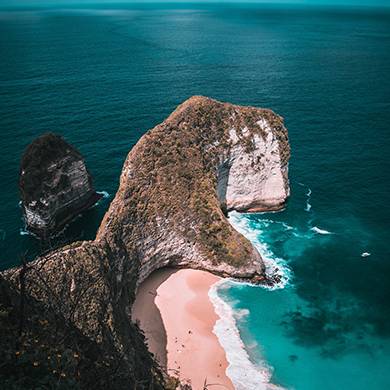
Kenya also allows for an easy transition beyond the bush. Coastal destinations such as Diani Beach and Watamu provide a natural extension to a safari, offering a slower pace after several days of game drives. The contrast works well, dust and early mornings replaced by ocean air and open schedules.
A typical day on safari follows a rhythm. Early morning and late afternoon game drives are standard, timed around when wildlife is most active. Midday is quieter, usually reserved for rest or time at camp. It’s a routine that feels unusual on paper but quickly becomes part of the experience.
Wildlife viewing in Kenya is strong year-round, but the experience changes depending on when and where you travel. Dry seasons concentrate animals around water sources, while green seasons bring fewer crowds and different photographic conditions. There isn’t a single “best time,” only the right timing for what you want to see.
Kenya works particularly well for first-time safari travelers because it simplifies logistics without compromising on experience. Distances are manageable, infrastructure is reliable and the range of parks allows for varied itineraries without overcomplicating the trip.
The result is a destination that doesn’t try too hard to impress, it just consistently delivers.